Revolutionizing Tumor Detection with AI & Transfer Learning
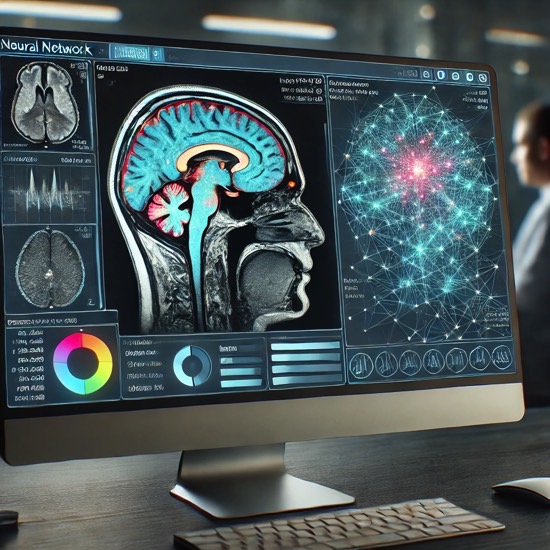
TL;DR:
AI is changing brain tumor detection, achieving 85.99% accuracy by leveraging CNNs and transfer learning from tasks like camouflage detection. This approach enhances diagnostic precision, explains decisions, and supports overburdened radiologists with faster, accurate imaging analysis.
Introduction:
Imagine AI not just detecting, but explaining brain tumors with near-human accuracy. Recent research reveals how convolutional neural networks (CNNs) and transfer learning from camouflage detection elevate brain imaging to a whole new level. It’s not just futuristic—it’s happening now, and it’s transforming radiology.
The Role of AI in Brain Tumor Detection
AI-driven models have made incredible strides in identifying brain tumors from MRI scans. The study published in Biology Methods and Protocols reveals:
• Accuracy: 85.99% and 83.85% in brain tumor detection.
• Minimal False Negatives: Only 1-2 misses on normal brain scans.
For radiologists working long hours, this robotic sidekick isn’t just smart—it’s lifesaving.
What’s Transfer Learning Got to Do with It?
Transfer learning is the MVP here. Models trained for camouflage detection (think: spotting a chameleon in a rainforest) adapt seamlessly to recognizing tumors that “blend” into healthy brain tissue. Here’s why it works:
• Skill Transfer: Recognizing hidden patterns in one domain (camouflage) sharpens detection in another (brain tumors).
• Boosted Accuracy: The result is better precision, even with challenging scans.
Who knew cancer cells and camouflaged animals had something in common?
Explainability: Why It’s a Game-Changer in AI Diagnostics
AI without explainability is like a magic trick without the reveal—cool, but not trustworthy. In medicine, it’s non-negotiable. This research highlights:
• Visual Explanations: Models show highlighted areas of concern, giving radiologists a clear “here’s why” explanation.
• Cross-Validation: Radiologists and AI can confirm findings together, making diagnoses doubly robust.
• Trust Building: Patients and doctors alike can rely on transparent results.
Think of AI as a collaborative radiologist rather than an all-knowing oracle.
The Data Behind the Breakthrough
To achieve this level of accuracy, researchers trained models on MRI data from leading sources, including:
• Kaggle
• NIH Cancer Imaging Archive
• VA Boston Healthcare System
These datasets helped AI models identify:
• Healthy vs. cancerous brain scans.
• Affected areas of the brain.
• Cancer “types” based on appearance.
The Hurdles:
While identifying cancerous brains is a slam dunk, differentiating specific cancer types remains tricky. However, the AI’s “mental map” already hints at promising refinements ahead.
Clinical Impact: AI’s Role in Radiology
Here’s how AI is making a splash in clinical settings:
• Time-Saving: Faster analysis of MRIs = quicker diagnoses.
• High Workloads? No Problem: AI assists in heavy workloads without burnout.
• Progress Monitoring: Track tumor growth or shrinkage with precision.
This isn’t about replacing radiologists—it’s about supercharging their capabilities.
Future Directions: Smarter, More Transparent AI
The future of AI in medicine isn’t just smarter models; it’s explainable and intuitive ones. Key areas of focus include:
• Advanced explainability methods.
• Better integration with clinical workflows.
• Refinements in identifying cancer types.
The goal? AI that doesn’t just detect but informs, collaborates, and empowers.
Why Explainability Matters
In medical AI, explainability isn’t optional—it’s essential. Here’s why:
1. Trust: Transparent decisions = more trust from professionals and patients.
2. Cross-Validation: A double-check system for enhanced reliability.
3. Improvement: Clear insights into AI’s decision-making improve models further.
4. Ethical Compliance: Ensures medical decisions are justifiable.
When it comes to life-saving decisions, trust and clarity matter.
How Transfer Learning Transforms Brain Tumor Detection
Leveraging skills from camouflage detection enhances AI in ways that matter:
• Generalization Skills: Spotting what blends in, whether it’s a gecko or a tumor.
• Improved Accuracy: Helps pinpoint abnormalities often missed by human eyes.
• Cross-Domain Innovation: Proof that unrelated fields can inspire breakthroughs in medicine.
Conclusion:
AI, powered by CNNs and transfer learning, is reshaping brain tumor diagnostics. With explainability at its core, these models bring radiologists closer to the dream of faster, more accurate, and transparent patient care.
The next wave? Even smarter systems that don’t just detect but actively collaborate with human expertise.
Call to Action:
Are you curious how AI like this could impact other medical fields? Please share your thoughts, and let's connect for a deeper dive into medical innovation!
Resources:
AI Improves Brain Tumor Detection
Comments
Sign in to join the conversation.
No comments yet