AI’s Impact on Character Development & Hollywood’s Future
TL;DR:
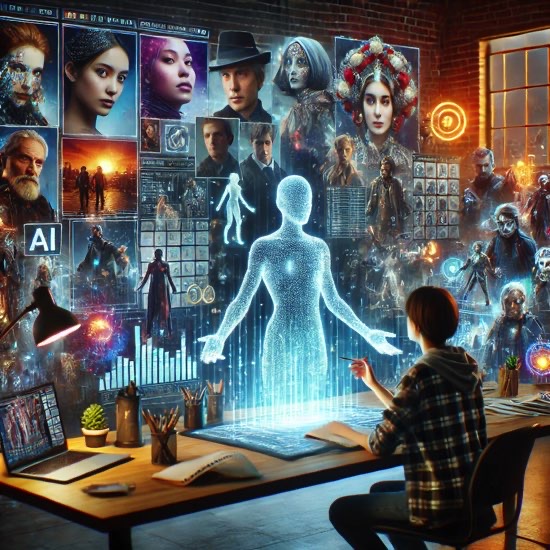
AI is transforming character development and the filmmaking process. From helping writers generate profiles and maintain emotional depth to reducing costs for film studios like Lionsgate, AI is reshaping creativity. However, balancing its use with the irreplaceable human touch is crucial.
Introduction
Artificial Intelligence (AI) is revolutionizing the creative arts—from character development in storytelling to video production in Hollywood. Writers and filmmakers increasingly use AI to generate ideas, save time, and enhance creativity. But, despite its power, AI should complement rather than replace the human touch, especially when infusing characters and stories with authenticity and emotional depth.
In this article, we explore how AI aids in character development and examine the recent groundbreaking partnership between Lionsgate and AI video startup Runway. Let’s explore how AI makes waves across creative fields and why human involvement is critical to success.
1. AI in Character Profile Generation
Developing deep, authentic characters begins with well-rounded profiles. AI tools can generate these profiles quickly and efficiently.
- Trait Combinations: AI tools like Joyland AI can create creative combinations of personality traits, backstories, and motivations that human writers might not immediately consider.
- Customization: While AI can generate the basics, human writers can personalize these profiles, tweaking details to fit their story’s unique context.
These tools give writers a head start, allowing more time to focus on the subtleties that turn these profiles into memorable characters.
2. Backstory Creation
Crafting a compelling backstory is vital to character depth, and AI can also help here.
- Automated Backstory Generation: AI tools like Kadaxis can produce rich backstories based on character profiles, freeing writers to focus on developing other aspects of the story.
- Creative Jumpstart: Writers can use these AI-generated backstories as a foundation and then layer in their unique insights to ensure the characters remain grounded in human experience.
3. Emotional Depth Enhancement
Conveying emotional complexity is one of the most complex parts of storytelling. AI can assist writers in finding the right words and maintaining emotional consistency.
- Emotional Language Suggestions: AI can propose metaphors and language to describe emotions, helping writers avoid clichés vividly.
- Sentiment Analysis: Tools like Kadaxis can analyze emotional tone, ensuring characters’ feelings are represented authentically.
However, only human writers can infuse these emotions with personal, lived experiences that AI cannot replicate.
4. Maintaining Consistency Across a Story
Consistency in character behavior and development can make or break a narrative. AI can be an invaluable ally in this area.
- Trait Tracking: AI tools can monitor characters’ traits and behaviors, flagging inconsistencies in how they’re depicted throughout a story.
- Character Arc Suggestions: AI can offer character arc ideas based on established traits, helping writers maintain believable development.
5. The Lionsgate-Runway AI Deal: A Glimpse into the Future of Filmmaking
AI is not just transforming writing—it’s making waves in Hollywood. Lionsgate, the studio behind franchises like John Wick and The Hunger Games, recently signed a groundbreaking deal with AI video startup Runway—the first collaboration between a major Hollywood studio and an AI company of this kind.
Key Details of the Deal:
- Runway will train a custom AI model using Lionsgate’s library of 20,000+ titles.
- This AI model will assist in pre-production tasks, such as story boarding and, eventually, generating on-screen backgrounds and special effects.
Runway offers a suite of controllable tools that could reduce production costs and save Lionsgate “millions and millions of dollars.”
Check out more about the implications of this deal here.
6. The Potential Risks of AI in Filmmaking
While the Lionsgate-Runway deal shows how AI can streamline production, it raises some concerns.
- Copyright Issues: Runway faces legal challenges regarding potential copyright infringements in their image generation technology. Will artists whose work used to train these models be compensated?
- Job Displacement: Many in the industry worry that AI could replace jobs, especially in areas like VFX and story boarding. For example, Cartoon Brew reports that the technology may eliminate the need for entire creative departments.
- Human Touch: There is a growing concern that AI-generated content could lead to homogenized, formulaic creations that lack the artistic flair and emotional depth of human-driven creativity.
7. Fostering Diversity and Representation with AI
AI has the potential to help create a richer and more diverse range of characters, but it’s important to approach this process with care and consideration.
- Cultural Sensitivity: AI can offer cultural insights, but writers must ensure that these characters are authentic and respectful.
- Bias Detection: AI tools can help identify potential biases in writing, making it easier to create more inclusive stories.
It is important to remember that AI is only as good as the data it is trained on. Writers must combine AI-generated insights with research and personal understanding, preventing the perpetuation of outdated stereotypes.
FAQ: AI in Storytelling and Filmmaking
1. Can AI fully replace human writers in character development?
AI assists by generating ideas and providing tools, but the emotional and cultural depth required for authentic characters comes from human creativity.
2. How does the Lionsgate-Runway AI deal affect the film industry?
This deal could lead to cost savings and creative innovations, but it raises concerns about job displacement and copyright issues. Learn more about the deal’s impact here.
3. What are the ethical concerns of using AI in storytelling?
Ethical concerns include potential job losses, biases in AI training, and copyright issues regarding using creative works to train models. Writers must use AI responsibly, ensuring transparency and respect for intellectual property.
4. How can AI help me maintain consistency in character development?
AI can track traits and behaviors across your manuscript, ensuring characters act consistently and develop believably throughout the story.
5. Can AI help me create diverse characters?
Yes, AI can offer insights into different cultures and help detect biases. However, human writers must ensure these characters are portrayed authentically and respectfully by adding their research and perspective.
Conclusion: Preserving the Human Touch in AI-Assisted Creativity
AI offers remarkable opportunities for writers and filmmakers to streamline processes, generate ideas, and save costs. Still, it cannot replace the creativity and emotional depth that human storytellers bring. Whether you’re developing characters or creating Hollywood blockbusters, AI is a tool meant to augment your creative process, not replace it.
Call to Action:
Want to explore how AI can help you write better characters or even create cinematic magic? Start experimenting with tools like Joyland AI and Runway today and see how AI can be your creative co-pilot.