Artificial Emotional Intelligence(AGI) Makes Tech More Human
TL;DR:
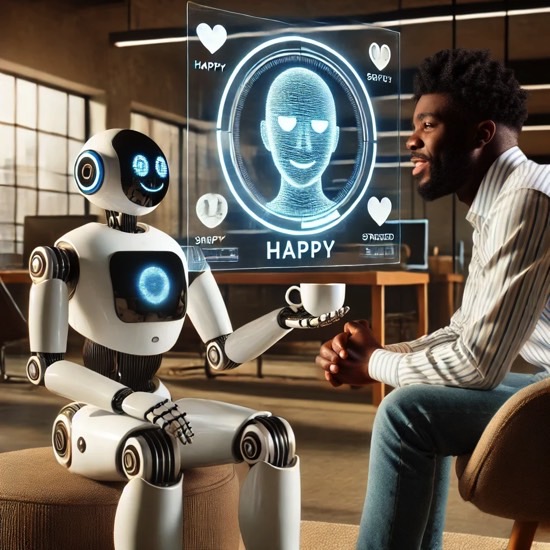
Artificial Emotional Intelligence (AEI) is revolutionizing tech by allowing machines to recognize and respond to human emotions. From customer service to healthcare, this tech is set to make our interactions with AI more empathetic. Learn how AEI works and its exciting future.
Introduction:
Have you ever had a conversation with Siri or Alexa and wished they could sense when you’re having a rough day? Well, that’s where Artificial Emotional Intelligence (AEI) comes in! AEI is the next big leap in tech, where machines don’t just hear you—they feel you... kind of. Imagine a world where your coffee maker can sense you’re stressed and brew an extra-strong cup before you even ask. While we’re not quite there yet, the advancements in AEI are rapidly pushing us toward a future with more empathetic, emotionally intelligent machines. And no, this isn’t some sci-fi movie plot—this is real life (and maybe a little cooler than fiction)!
What is Artificial Emotional Intelligence (AEI)?
AEI is a branch of artificial intelligence that aims to recognize, interpret, and even mimic human emotions. You know how regular AI can crunch numbers, play chess, or maybe help you organize your calendar? AEI takes things a step further by giving machines the ability to read and respond to emotional cues—whether that’s detecting the frustration in your voice or analyzing your facial expressions during a Zoom call.
Think of AEI as the AI version of your super empathetic friend, who just knows when you need a pep talk or a funny meme to lighten the mood. But instead of a human, it’s a machine learning algorithm, and instead of memes, well... it might offer to reschedule your 3 p.m. meeting when it senses you’re stressed.
Fun Fact: Ever wondered why some chatbots feel a little off? It’s because they lack that emotional intelligence factor. AEI might fix that, making future bots more like that one friend who knows exactly when to send a “you got this” message.
How Does AEI Work?
AEI systems rely on a combination of deep learning algorithms, natural language processing (NLP), and computer vision to recognize and analyze emotional data. The goal is to make machines capable of detecting the subtle emotional cues we humans rely on—like tone of voice, facial expressions, or even body language (yes, they’re working on that too!).
Here’s a quick breakdown of how AEI gets the job done:
- Speech Recognition: Ever noticed how you speak differently when you’re angry vs. happy? AEI systems can pick up on that. Using speech analysis, these systems can detect stress, joy, anger, or sadness just by listening to your voice.
- Facial Expression Analysis: Smile! Or frown—either way, AEI systems are watching (in the least creepy way possible). They use facial recognition to analyze micro-expressions and predict what you’re feeling.
- Textual Sentiment Analysis: If you’ve ever typed “I’m fine” but actually meant “I’m so done with today,” you’re not alone. AEI tools analyze written communication to understand the emotional undertones behind the words, giving more context to your texts and emails.
Why Does AEI Matter?
Now you might be thinking, “Okay, that sounds cool and all, but why should I care if my toaster feels my pain?” Great question!
The truth is, AEI has massive implications across multiple fields. Here are a few:
- Customer Service: Imagine a chatbot that doesn’t just give you robotic, canned responses but actually understands your frustration. AEI-powered customer support could recognize when you’re upset and respond with empathy, offering solutions that feel more personalized and caring.
- Healthcare: Mental health apps are already using basic AEI to detect early signs of depression or anxiety through speech patterns and responses. Future healthcare systems could use this technology to offer real-time emotional support and even predict when someone might need help before they realize it themselves.
- Entertainment: Ever had Netflix suggest a movie when you’re feeling down, and it’s somehow the perfect pick? With AEI, streaming platforms could detect your mood and recommend shows or music based on how you’re feeling that day (because sometimes you just need that feel-good rom-com).
- Human-Computer Interaction: The way we interact with machines is rapidly evolving. AEI makes that interaction smoother by allowing devices to “sense” emotions and react in ways that make conversations more human-like.
AEI in Healthcare: The Future of Emotional Well-being
Healthcare, especially mental health, is one of the sectors poised to benefit greatly from AEI. Imagine having a virtual therapist who can not only listen to what you’re saying but can also feel the tone of your voice and understand your emotional state. AEI is already being integrated into mental health apps, wearables, and telemedicine to provide real-time emotional support.
Key Benefits of AEI in Healthcare:
- Mental Health Monitoring: AEI can track emotional states through speech patterns, facial expressions, and text-based communication to detect early signs of mental health issues like depression or anxiety. For example, apps like Woebot use basic emotional AI to offer real-time cognitive behavioral therapy (CBT), helping users manage their emotions without waiting for an in-person session.
- Personalized Emotional Care: With AEI, healthcare professionals can provide more personalized care by understanding patients’ emotional responses during consultations. For instance, an AEI-enabled system could alert doctors when a patient seems overly anxious or uncomfortable, allowing them to adjust their approach to make the patient feel more at ease.
- Emotionally Intelligent Chatbots for Support: AI chatbots in healthcare can become more than just symptom checkers. AEI-powered bots could provide emotional support by recognizing distress in a patient’s voice or text and offering calming, empathetic responses. Imagine a virtual nurse who can check on you when you’re feeling anxious or stressed, providing advice and support tailored to your emotional needs.
Future Impact:
In the future, AEI could revolutionize telemedicine by allowing doctors to assess a patient’s emotional well-being even from afar. This could lead to earlier interventions, better patient-doctor communication, and a more holistic approach to health that goes beyond physical symptoms to include emotional and mental states.
Humor Break:
Can you imagine your fitness tracker sensing you’re stressed and suggesting, “Maybe skip that workout today and watch some Netflix instead”? With AEI in healthcare, that might not be too far off!
AEI: The Ethical Side
With great power comes great responsibility, right? While AEI has incredible potential, it also comes with its share of ethical concerns. Since AEI systems are constantly analyzing emotions, there’s the potential for misuse, especially when it comes to privacy and data security. Nobody wants their feelings sold to the highest bidder or used in ways they didn’t consent to.
It’s important that as AEI grows, developers and policymakers work hand in hand to establish clear regulations on how emotional data can be collected, used, and shared. After all, nobody wants a future where their emotional state is being tracked as much as their shopping habits (even if it means better TV recommendations).
The Future of AEI: What’s Next?
So where do we go from here? Will your smartphone someday become your emotional confidant, or are we heading toward a world where machines are more empathetic than humans?
The answer lies somewhere in the middle. While we’re still far from machines fully understanding the complexity of human emotions (after all, even we struggle with that sometimes), AEI is already laying the groundwork for more emotionally aware tech. The future may hold everything from mental health check-ins during your daily virtual assistant chats to fully immersive virtual worlds where the NPCs (non-playable characters) respond emotionally to your every move.
And who knows? Maybe one day, we’ll have machines that can sense when we need a day off better than we can. If that’s not the dream, I don’t know what is!
FAQ: Artificial Emotional Intelligence
Q: Can AEI really understand emotions like humans do?
Not exactly. AEI is still in its early stages, so it mostly detects and analyzes emotional cues rather than fully understanding them like a person would. But it’s getting better every day!
Q: Is AEI the same as AI?
AEI is a specialized form of AI focused on emotions, while general AI is broader and encompasses many areas like problem-solving, learning, and automation.
Q: Should I be worried about my emotional data being used against me?
That’s a legitimate concern! As AEI evolves, it’s important that strong privacy protections are put in place to safeguard your emotional data.
Conclusion:
Artificial Emotional Intelligence is opening the door to a more empathetic tech world. From improving customer service to transforming healthcare, AEI is proving that machines can (almost) understand us. While there are ethical questions to navigate, the potential benefits are huge. Ready for a future where your tech gets you? We’re almost there!
Call to Action:
Want to stay ahead in the world of emotionally intelligent AI? Subscribe to our blog for more updates on the latest in AEI, AI, and tech trends.
Comments
Sign in to join the conversation.
No comments yet