Geocentric vs. Heliocentric: Entitlement and Perspective
TL;DR:
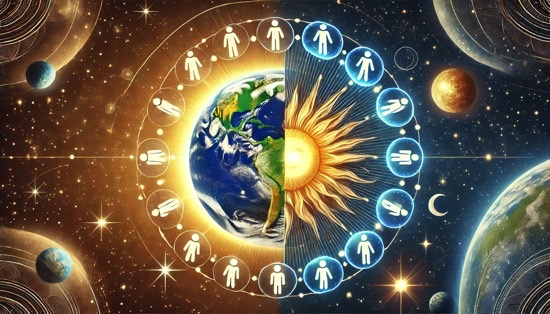
A comparison of geocentric and heliocentric worldviews as a metaphor for entitlement. Shifting from self-centered (geocentric) thinking to a more universal (heliocentric) outlook can help us live with humility, wisdom, and a greater sense of purpose. Includes Biblical insights.
Introduction:
Have you ever caught yourself thinking that everything revolves around you? Don’t worry—we’ve all been there. But what if that self-centered “geocentric” mentality is holding us back from something bigger? Just like we once thought the Earth was the center of the universe, we sometimes think our own lives are the center of, well, everything. This article dives into the Geocentric vs. Heliocentric Mentality as a metaphor for entitlement, showing how shifting our perspective can open us to a richer, more meaningful life. And yes, we’re pulling in a few Bible verses to back it up.
Geocentric Mentality: Living at the Center of Your Universe
What Is the Geocentric Mentality?
The geocentric model, popular in ancient times, placed Earth at the center of the universe. Everyone thought the sun, moon, and stars revolved around us. A metaphor for entitlement, this “geocentric” mentality says: “I’m the center; the world exists to serve me.” Sound familiar? We might think of it as the classic “me, myself, and I” mindset, a view that can lead to unrealistic expectations and a sense of entitlement.
Why This Mentality Holds Us Back
When we see ourselves as the center of the world, we naturally expect everything to orbit around our needs and wants. This entitlement can create problems, like expecting others to make constant allowances for us or even feeling let down when life doesn’t play out as planned. Plus, it’s pretty exhausting trying to keep everything centered around “me.”
Proverbs 16:18 puts it clearly: “Pride goes before destruction, a haughty spirit before a fall.” Our self-centered thinking can lead us down a path of pride and disappointment rather than gratitude and growth.
Heliocentric Mentality: Embracing a Universal Perspective
What Is the Heliocentric Mentality?
The heliocentric model flipped everything, showing that the Earth, in fact, orbits the sun. Imagine taking that idea and applying it to life: what if we’re not the center but rather part of a much bigger picture? In the “heliocentric” mentality, we see ourselves as interconnected parts of a larger universe. Instead of expecting everything to revolve around us, we see value in the broader perspective—understanding that everyone else has their own path and purpose.
This shift in thinking, from “me-centered” to “universal,” changes how we relate to others and our purpose. Romans 12:3 speaks to this: “Do not think of yourself more highly than you ought, but rather think of yourself with sober judgment, in accordance with the faith God has distributed to each of you.”
Benefits of the Heliocentric Mentality
- Humility: Recognizing that we’re one piece of a much larger plan.
- Empathy: Valuing other perspectives, which deepens our relationships.
- Purpose: Finding meaning beyond self-centered desires.
- Resilience: Releasing entitlement helps us bounce back from setbacks, focusing instead on growth.
When we stop seeing ourselves as the center, we start to connect better with others and find deeper satisfaction in life's purpose.
Why We Need a Universal Perspective
The Universal Perspective Explained
The universal perspective goes beyond just heliocentric thinking, encouraging us to see life as a vast, interconnected web. We’re part of something bigger—a collective experience designed to inspire, uplift, and challenge us. This perspective echoes the Biblical teaching that we are “one body in Christ” (Romans 12:5), each with a unique role to play in the world.
Biblical Inspiration for a Broader View
Many verses remind us to look beyond ourselves. Philippians 2:3-4 encourages us to “Do nothing out of selfish ambition or vain conceit. Rather, in humility value others above yourselves, not looking to your own interests but each of you to the interests of the others.” Adopting this universal mindset not only enriches our relationships but also strengthens our character, making us more resilient, compassionate, and wise.
Practical Steps to Shift to a Universal Perspective
- Reflect on Your Purpose: How does your life connect to a larger purpose?
- Practice Empathy: Try seeing situations from others’ perspectives, especially during conflicts.
- Read and Reflect: Read scripture or other texts that remind you of a greater purpose beyond self.
FAQ: Your Questions on Geocentric vs. Heliocentric Mentality
Q: Can we really change our mindset from geocentric to heliocentric?
A: Yes! It’s all about self-awareness and a willingness to see beyond yourself. Small changes in how we think and respond to others can lead to major shifts over time.
Q: What if I slip back into a geocentric mindset?
A: It happens! The goal isn’t perfection but progress. Catching yourself is part of the growth. As Philippians 4:13 reminds us, “I can do all things through Christ who strengthens me”—including the work of shifting our focus outward.
Q: How does this perspective actually reduce entitlement?
A: Seeing life as interconnected helps us understand we’re not entitled to more than others. We’re all here to contribute, share, and grow, rather than expecting things to fall into place for us alone.
Conclusion: Time for a Mindset Shift?
Moving from a geocentric, entitlement-based mentality to a heliocentric, universal one is about embracing humility, purpose, and a larger view of life. When we let go of the idea that everything revolves around us, we’re free to connect, serve, and grow. It’s time to stop seeing ourselves as the center of the universe and instead, become part of a greater design.
Ready to embrace a broader perspective? Start small—practice empathy, reflect on your purpose, and remember that you’re part of something bigger. Let’s support each other in this mindset shift!
Quote to Highlight:
“Do not think of yourself more highly than you ought.” — Romans 12:3
Comments
Sign in to join the conversation.
No comments yet